
Living a 5G-Free Lifestyle: What It Means and How to Do It In today’s hyper-connected world,…
5G and the Human Body: Uncharted Territory in Cellular Biology
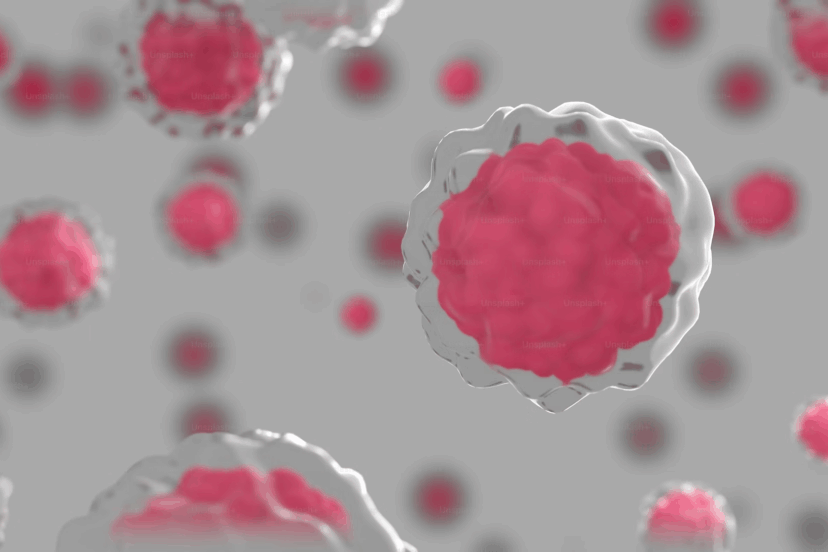
5G and the Human Body: Uncharted Territory in Cellular Biology
With the rapid rollout of 5G networks worldwide, the promise of unprecedented speeds and connectivity has captivated many. However, 5G also raises new questions about how this technology could impact our health. Specifically, what does the unique frequency range of 5G mean for human cells and organs? Could it affect our bodies differently from previous generations of wireless networks? This article delves into the science of 5G’s interactions with human biology and considers the implications for our health over time.
Understanding 5G: What Makes It Different?
5G technology operates at higher frequencies than previous cellular networks, utilizing millimeter waves (MMWs) ranging between 24 GHz and 100 GHz. By comparison, 4G networks typically operate around 1 to 6 GHz. This higher frequency allows for faster data transfer and greater bandwidth, enabling more devices to connect simultaneously without slowing speeds. However, the higher frequency also means that 5G waves have shorter wavelengths, limiting their ability to travel long distances or penetrate buildings and other obstacles as easily as 4G signals.
To address this, telecom providers are deploying a dense network of small 5G antennas, often placed on street lights, buildings, and other infrastructure. With antennas much closer to the ground and more frequently spaced, people are exposed to 5G signals at closer range and potentially for longer durations than previous cellular technologies. This setup has led to concerns about the biological effects of this exposure, given how different 5G is in both structure and proximity compared to earlier network generations.
How 5G Frequencies Interact with Human Tissue
Human tissue absorbs electromagnetic radiation at different rates, depending on the frequency of the signal. Lower-frequency waves, such as those used in radio and 4G, penetrate the body more deeply. However, higher-frequency millimeter waves used by 5G are absorbed primarily by the skin and the outer layers of the body. While this limited penetration might seem less concerning, the concentration of energy on the skin raises other questions about biological impacts, particularly over prolonged exposure.
Researchers have shown that the skin and sweat glands act as receptors for millimeter waves, potentially absorbing and amplifying the radiation. Some studies suggest that sweat ducts could act as “helical antennas,” which may respond more strongly to these higher frequencies. While the implications of this are still under investigation, scientists are interested in exploring how this interaction could affect cellular processes within the skin and other exposed areas.
Potential Effects on Cellular Functions and DNA
The human body is made up of trillions of cells that communicate through electrical signals, respond to external electromagnetic fields, and maintain a delicate balance of ions across cell membranes. Disruptions in this balance can interfere with cellular communication, leading to issues in cellular function, reproduction, and repair.
Studies on low-frequency EMFs have demonstrated the potential for biological changes, including DNA damage, oxidative stress, and an increased risk of cancer. While the effects of millimeter waves are still being studied, some researchers believe that prolonged exposure to high-frequency EMFs could increase oxidative stress within cells. Oxidative stress is associated with various health conditions, including cancer, cardiovascular diseases, and neurodegenerative disorders, as it causes damage to DNA, proteins, and lipids within cells.
One concern is that exposure to 5G frequencies could lead to cumulative cellular damage, particularly with frequent exposure over long periods. Since 5G infrastructure requires many small antennas placed close to densely populated areas, residents could be subjected to near-constant low-level radiation. Although millimeter waves don’t penetrate deeply, the skin is the body’s largest organ, and it plays a critical role in overall health. Changes in skin cells could potentially impact immune responses and lead to systemic effects that extend beyond the skin itself.
What the Research Shows – and Doesn’t Show
The body of research on 5G and its potential health effects is still limited, primarily due to the novelty of the technology. Some studies have shown a potential for increased thermal effects in cells exposed to millimeter waves, suggesting that prolonged exposure might lead to localized heating of tissues. However, critics argue that this heating is too minimal to pose significant health risks under typical conditions.
Still, there is considerable debate among scientists. The World Health Organization (WHO) and the International Commission on Non-Ionizing Radiation Protection (ICNIRP) have set guidelines for exposure levels, stating that 5G radiation at regulated levels should not harm human health. But some independent researchers argue that these guidelines might not fully consider the cumulative or long-term effects of exposure, particularly in sensitive populations like children, the elderly, or those with pre-existing health conditions.
A major gap in the current research is the lack of long-term human studies specifically on 5G exposure. Much of the data on electromagnetic fields comes from lower-frequency research, which may not fully translate to the higher-frequency millimeter waves of 5G. Given that cellular biology and environmental exposure are complex and multifaceted, scientists emphasize the need for ongoing, rigorous studies to understand 5G’s full impact on human health.
Caution Moving Forward
The arrival of 5G promises many benefits, from faster internet speeds to the proliferation of smart devices that could improve various sectors, including healthcare, transportation, and energy. However, this technological leap also raises valid concerns about health and safety. Given the early stage of research and the high demand for continuous connectivity, it’s wise to take a cautious approach to 5G exposure.
For consumers, some simple measures can reduce exposure, such as minimizing device usage close to the body, using hands-free options, and avoiding prolonged exposure near 5G antennas if possible. For policymakers and industry leaders, supporting comprehensive and independent research on 5G’s health impacts could ensure that safety standards keep pace with technological advancements.
5G and the Human Body: Uncharted Territory in Cellular Biology
The biological effects of 5G technology remain largely uncharted territory. While much of the evidence available suggests that regulated levels of exposure are safe, gaps in research and the unique properties of 5G frequencies make it difficult to draw definitive conclusions. As 5G networks continue to expand, ongoing research and caution will be crucial to understanding and managing any potential risks to human health.

More to Explore